

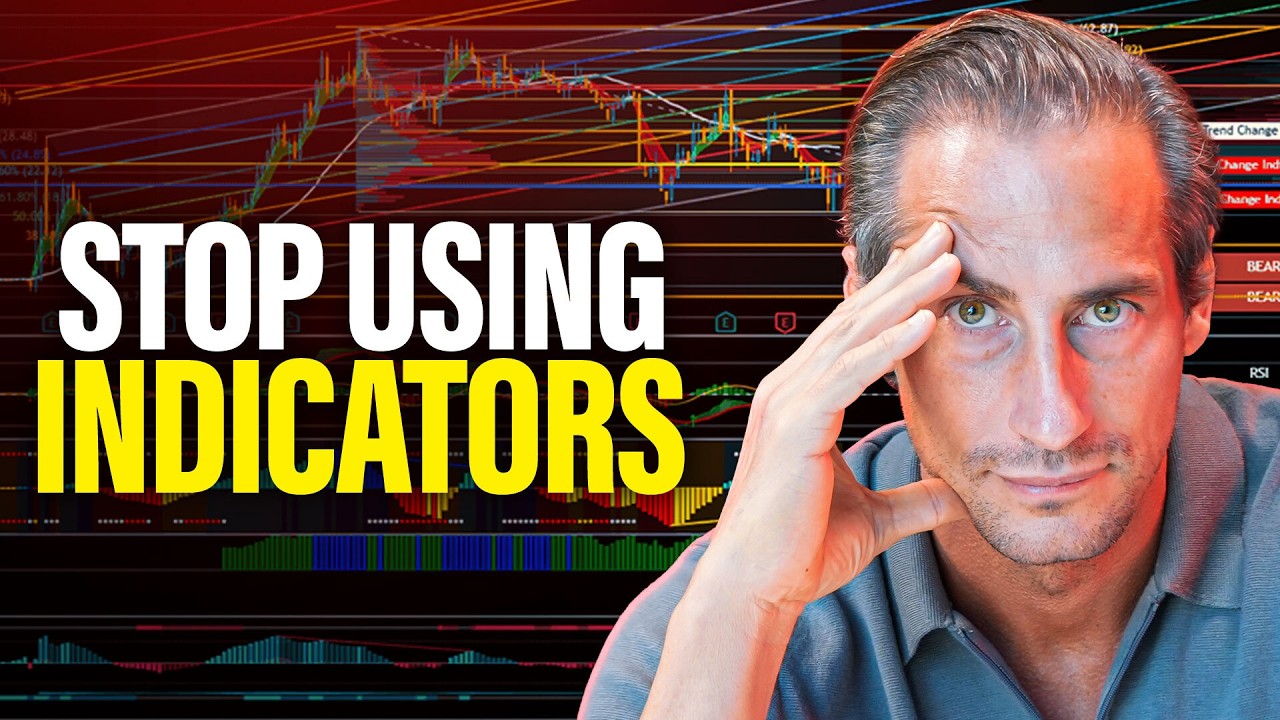
A Real-World Scenario: A Beginner’s Fight with Indicator Overload
On Bernd Skorupinski’s YouTube channel, seasoned wisdom meets approachable clarity. Bernd’s practical lens makes complex topics feel doable for beginners, and his calm, expert voice sets a trustworthy tone. The challenge he calls out is all-too-common: traders pile on indicators in hopes of clarity, but the result is confusion, not clarity. In a recent video, he cuts through the noise and shows a path that starts with discipline and ends with reliable decision-making. This article distills those ideas into a practical guide you can act on today, focusing on price action and risk control rather than chasing every signal. The journey begins with recognizing a simple truth: less can be more when you’re learning to trade.
Trading indicators can sound like magic tools, but in practice they often muddy the chart and slow you down, especially if you don’t have a clear framework to interpret them. This section draws from a real-world scenario in the video where a trader stacks indicators to no avail, learning the hard way that more data isn’t always better data.
Stop using indicators right now because they won’t just slow you down. They’ll cost you thousands of dollars trading.
In this relatable scene, the message is clear: a tidy setup beats a crowded map of signals. The takeaway isn’t a prohibition on learning tools; it’s a call to pair any tool with a crisp price-context and a strict plan for risk. The consequence of not doing so is missed opportunities and overthinking simple moves, which is a trap every beginner can avoid with a leaner, more deliberate approach.
- Key takeaway: more indicators do not equal more clarity; they often create cognitive load that blinds you to the actual price action.
- Real-world implication: you can miss profit by over-analyzing a small move instead of waiting for a clear price pattern.
The Core Insight: Why Trading Indicators Can Cost More Than You Expect
The video lays out a blunt truth: trading indicators can mislead, particularly for newcomers who haven’t yet built a reliable decision framework. The risk isn’t merely softer profits; it’s capital erosion from late entries, premature exits, and overtrading. When you rely on a chorus of signals, you end up trading against the price action instead of with it. This isn’t a rejection of learning tools but a call to choose the right tools for the job and to know when to apply them. The aim is to cultivate a concise, confident approach that respects market structure and context.
Indicators. The very tools that are supposed to help you are often the reasons you start losing money.
To translate this into practice, strip the toolkit down to essentials and anchor entries to the dominant market context. A practical framework includes:
- Rule of thumb: trade with the dominant price move and confirm with a single, reliable cue rather than a chorus of indicators.
- Risk discipline: define stop loss and position size before you enter and stick to it, regardless of how appealing a setup may look.
- Review loop: journal trades, focusing on why you entered and why you exited, not on how many signals lined up.
A Shift in Mindset: From Signal-Addiction to Price Action-Based Mastery
The turning point in Bernd’s teaching is a deliberate shift from chasing signals to building a process you can trust. That process centers on price action, context, and disciplined risk management. Instead of waiting for a perfect confluence of indicators, you acknowledge that probability resides in the setup itself, not in the number of tools on the chart. Reading chart patterns, understanding candlestick realities, and observing how price interacts with key levels become the engine of decisions. The result is a calmer, more confident trader who can tolerate a slower pace because every decision rests on observable facts, not on hopeful predictions.
This mindset yields practical habits that replace impulse with planning:
- Context first: always assess the market regime (trending, range-bound, or breakout-friendly) before optimizing any indicators.
- Quality over quantity: keep your toolkit lean—one or two reliable signals, paired with strong risk controls and a clear plan.
- Consistency rewarded: daily or weekly reviews build the mental discipline to stay patient and objective.
Join Your New Trading Home: Traderfriends
If you want to translate this mindset into a practical, supportive path, consider aligning with a community that shares your commitment to discipline and growth. Traderfriends is designed to connect you with like-minded traders, offer structure, and keep you accountable to a plan. The goal isn’t to chase every signal, but to learn together how to make probability work for you over time.
Next steps you can take today:
- Define your core setup: pick one trend-following cue and one price action signal you trust, and practice them in a controlled environment.
- Set a trading routine: dedicate time to journal, review, and adjust your plan weekly.
- Explore community resources: use the Traderfriends network to share observations, get feedback, and stay motivated.


